You Don't Lose the Next Generation Over Bad Content. You Lose Them Because They Never Experience Your Firm.

Every advisory firm knows the number that should keep it up at night: the majority of heirs fire the family's advisor within a couple of years of inheriting. Firms that take it seriously usually respond the same way. They produce more. A next-gen webinar series. A financial literacy guide. A podcast for the kids. The reasoning is that if the heirs understood the value, they would stay.
The heirs are not leaving because they failed to understand the value. They are leaving because they never had a relationship with your firm in the first place. This is not a content problem. It is a distribution problem, and more content aimed at a channel the heirs do not use does not solve it.
The Class Was Not the Product
I learned this by accident. Early on, I was running a six-week financial education course, mostly budgeting and investing basics, for the next generation of one RIA's client families. It worked well enough. Over about six months it brought in close to $3 million in assets through a small link at the end of the course. Respectable, not extraordinary.
The $3 million was not the lesson. The lesson was what the parents said. They were calling their advisor to say they were talking with their kids about money for the first time, on a channel that carried the firm's name. The value was never the curriculum. Plenty of firms have good curriculum. The value was that the heir now experienced the firm directly, on their own phone, before a single dollar had transferred. That is the thing almost no firm has, and it is the only thing that actually moves next-gen retention.
Content You Create Versus Distribution You Own
Here is the distinction that matters. Content is what you produce. Distribution is who controls the channel it arrives through. In wealth management, firms over-invest in the first and almost entirely neglect the second.
A guide you email to a client's 30-year-old daughter competes with everything else in her inbox and loses. A webinar she has to remember to attend does not happen. But an app that carries your firm's name, that she opens because it shows her own financial picture, is a channel you own. Once you own the channel, the content actually gets delivered, and more importantly, the heir accumulates months and years of small, direct experiences with your firm before the inheritance is ever on the table.
That is what builds the attachment that survives a wealth transfer. Not a better brochure. Repeated, direct, firm-branded experience on a surface the heir already checks.
Why More Content Makes It Worse, Not Better
When a firm responds to next-gen risk by producing more, and pushes all of it through channels it does not own, it usually feels productive and changes nothing. The heirs still have no relationship with the firm. The parents still assume the kids are covered because the firm is clearly making an effort. And the firm mistakes activity for progress right up until the assets move to a vendor the heir already recognizes and an advisor the heir found on their own.
The firms getting this right are not producing more than everyone else. They are the ones who put their brand on the channel the next generation uses, so that by the time the transfer happens, the heir has a real, felt relationship with the firm rather than a vague awareness that their parents worked with someone.
The Question to Ask
The useful diagnostic is not "what are we teaching the next generation?" It is "where does the next generation actually experience our firm, and do we own that place?" If the honest answer is that the heirs experience the firm nowhere, through no channel the firm controls, then no amount of content is going to hold those assets when they move.
Distribution you own beats content you create, every time. The class got a client's daughter in the door. What would have kept her family for a generation was owning the channel she was already looking at.
See how firms build a direct relationship with the next generation →
Tom co-founded Fynancial on the thesis that the gap between the quality of independent advice and the digital experience used to deliver it is one of the most addressable problems in wealth management. He leads product vision, enterprise partnerships, and the Experience Alpha framework.
Related Insights





What firms say after launching with Fynancial
I am not exaggerating when I say our app has helped us win over $10M in new AUM between two separate prospects. The vision Fynancial has is incredible!
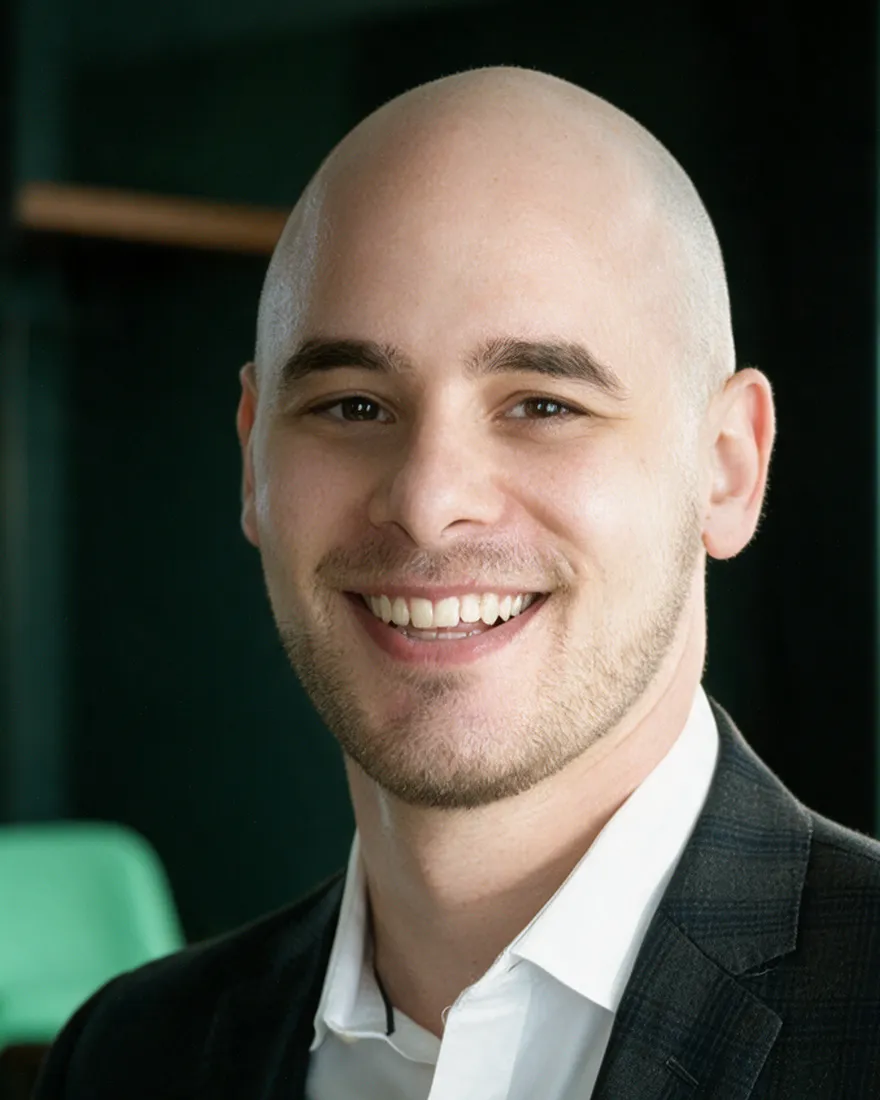
This highly personalized communication solution enables us to connect with clients like never before. Delivering real advice from real advisors with authentic, timely, human-centered guidance.
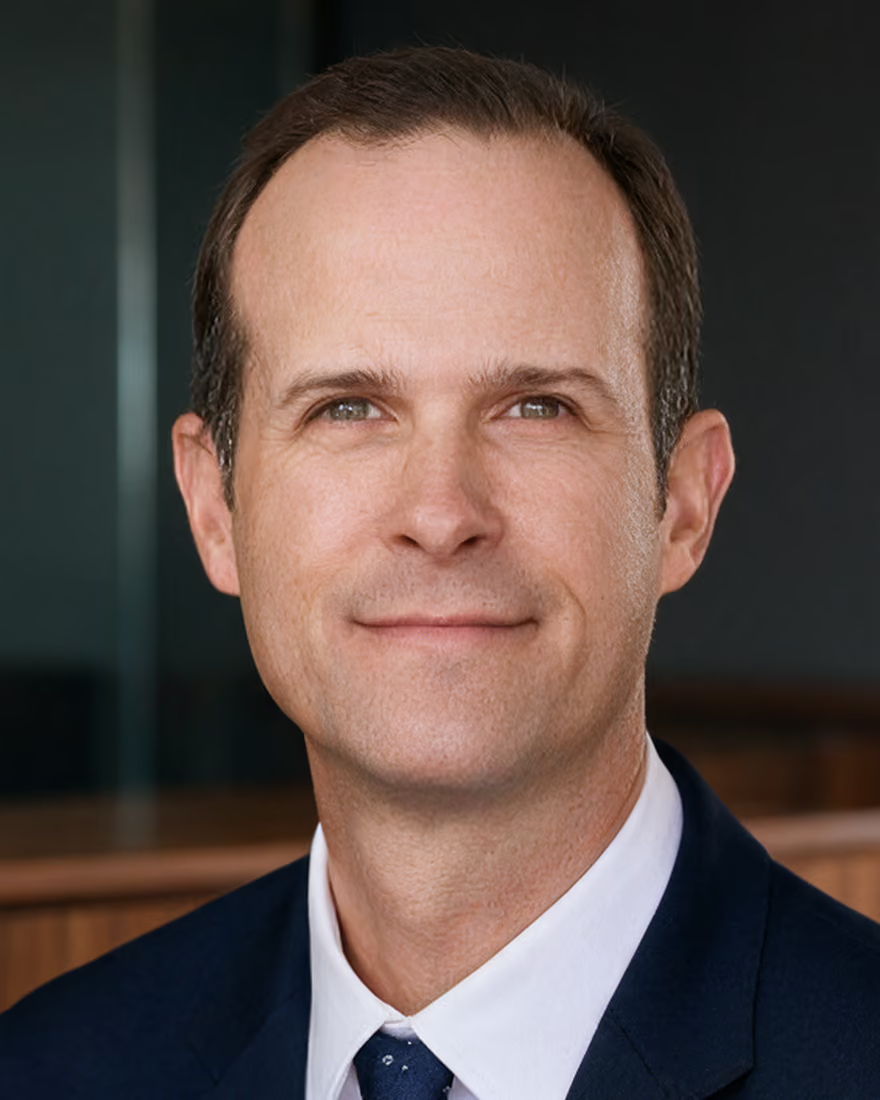
The Prime Capital app is our all-in-one hub. Seamless advisor to client communication, fully integrated with our core tech stack. The Salesforce integration ties it all together perfectly.
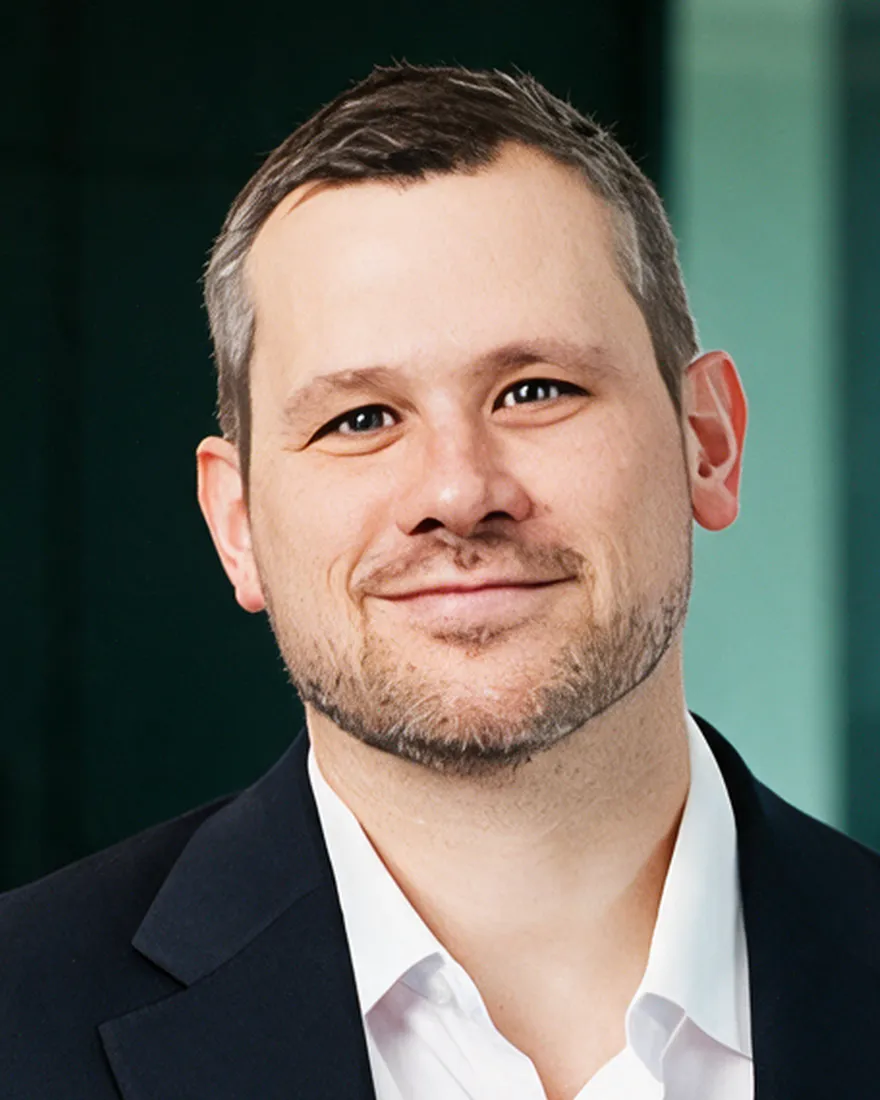
We are currently managing the majority of our client relationships daily through our app. It has been a game-changer, and I cannot say enough positive things about Fynancial and their entire team.

See your Platform Premium in 2 minutes
Model AUM → multiple uplift. Live. Under 2 min.
Enter AUM, headcount, and growth. The calculator maps how a branded client layer can move your valuation multiple, recalculating as you adjust inputs.