The Great Wealth Transfer Is an Enterprise Risk Event, Not a Marketing Opportunity

The solution is not a marketing campaign.
The headlines call it an opportunity. Over the next two decades, an estimated $68 trillion will transfer from Baby Boomers to Gen X and Millennials in the largest generational wealth transfer in human history.
For advisors with established books of HNW clients, this is framed as a chance to build relationships with the next generation and grow AUM organically.
Here is the reality: most advisory firms will lose the majority of that transferred wealth within 18 months of the inheritance event. Not because they provide poor advice. Because they do not have a digital relationship with the heir.
The 81% Problem
Industry research consistently shows that approximately 81% of heirs fire their parents' financial advisor after a wealth transfer. The reasons vary, they want to make their own choices, they have their own advisor relationships, they do not feel like the firm was "theirs."
But the underlying driver is almost always the same: the heir has no independent digital relationship with the firm. They know the firm exists because their parent mentioned it. They may have attended one meeting. But they have no regular touchpoint with the firm's brand, no digital experience with the firm's identity, and no sense that the firm is building a relationship with them.
When the transfer happens, they have no reason to stay.
This Is Not a Marketing Problem
The instinct of most advisory firms facing this challenge is to create a marketing program. Host a next-gen event. Create a "transition planning" service offering. Make sure the heir gets a call during the estate process.
These are not bad ideas. But they address the symptom rather than the cause.
The cause is architectural: the firm has no digital infrastructure for building relationships with clients who are not yet clients. The firm's identity lives in the advisor's personal outreach, not in a branded platform that heirs can access, explore, and build familiarity with before the transfer happens.
The Architectural Response
Firms that are solving this problem correctly are doing it architecturally, building the heir relationship into the infrastructure of the existing client relationship.
Here is what that looks like in practice:
Heir access to the client experience. The best firms in this space are giving trusted family members, designated by the primary client, access to the firm's branded platform as part of the existing relationship. Not full account access. But access to the family's financial picture, the firm's educational content, the firm's communications. The heir starts building familiarity with the firm's brand and quality long before they inherit.
Digital body language matters. When a 45-year-old tech executive asks their parents what app they use to track their wealth, and the answer is a branded, premium mobile application, not an unencrypted email and a a third-party portal, the implicit message is "this firm is sophisticated enough for my generation." That impression is formed before any direct relationship begins.
The enrollment moment. The most effective next-gen retention programs create a formal moment of enrollment, a dedicated onboarding experience for heirs as a family member of an existing client. It is not a sales pitch. It is a "here is how we think about your family's financial life, and here is where you fit into that picture."
The Enterprise Risk Calculation
For a firm with $2B in AUM, a conservative estimate is that 60% of that AUM is held by clients over age 65. Over the next decade, a meaningful fraction of that AUM will transfer.
If the firm loses 81% of transferred assets to heir defection, the math is stark. Not a marketing opportunity. An enterprise risk event that compounds over time.
The firms that are building heir relationships into their infrastructure today, through branded digital experiences that heirs access alongside their parents, through family-level financial planning that positions the firm as the family's advisor rather than the parent's, are building a different retention story.
The investment required to build that infrastructure is small relative to the AUM at risk. The decision not to invest is not a neutral choice.
Building a client experience that retains the next generation? See how Fynancial solves heir retention →
The Fynancial Insights team writes on enterprise value, client experience architecture, and the platform decisions that shape valuation for independent advisory firms.
Related Insights





What firms say after launching with Fynancial
I am not exaggerating when I say our app has helped us win over $10M in new AUM between two separate prospects. The vision Fynancial has is incredible!
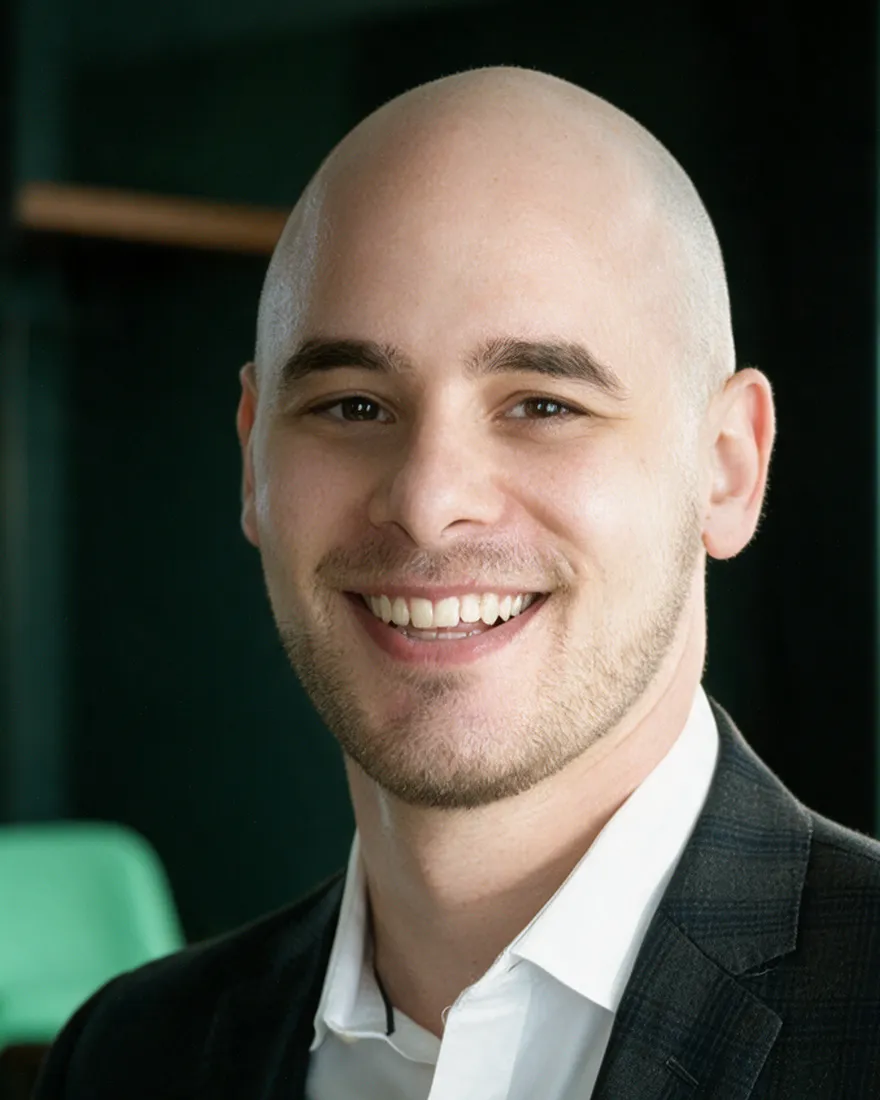
This highly personalized communication solution enables us to connect with clients like never before. Delivering real advice from real advisors with authentic, timely, human-centered guidance.
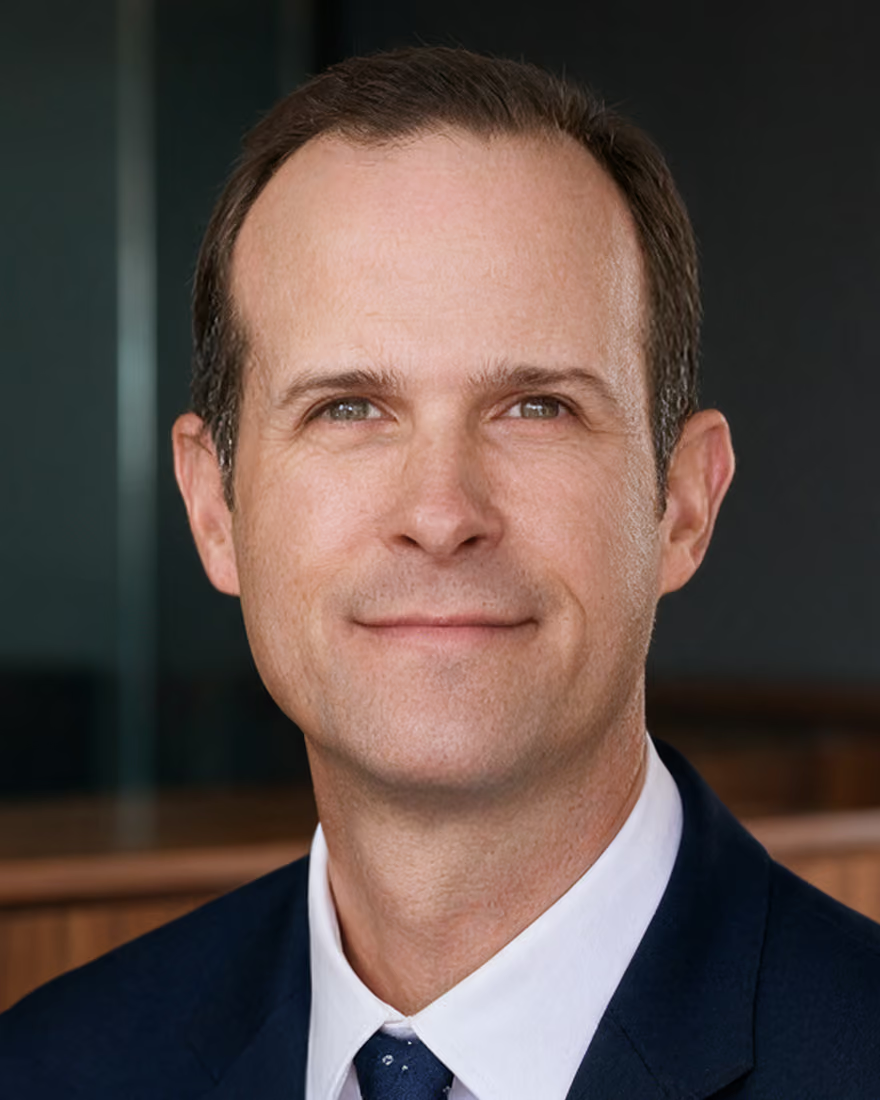
The Prime Capital app is our all-in-one hub. Seamless advisor to client communication, fully integrated with our core tech stack. The Salesforce integration ties it all together perfectly.
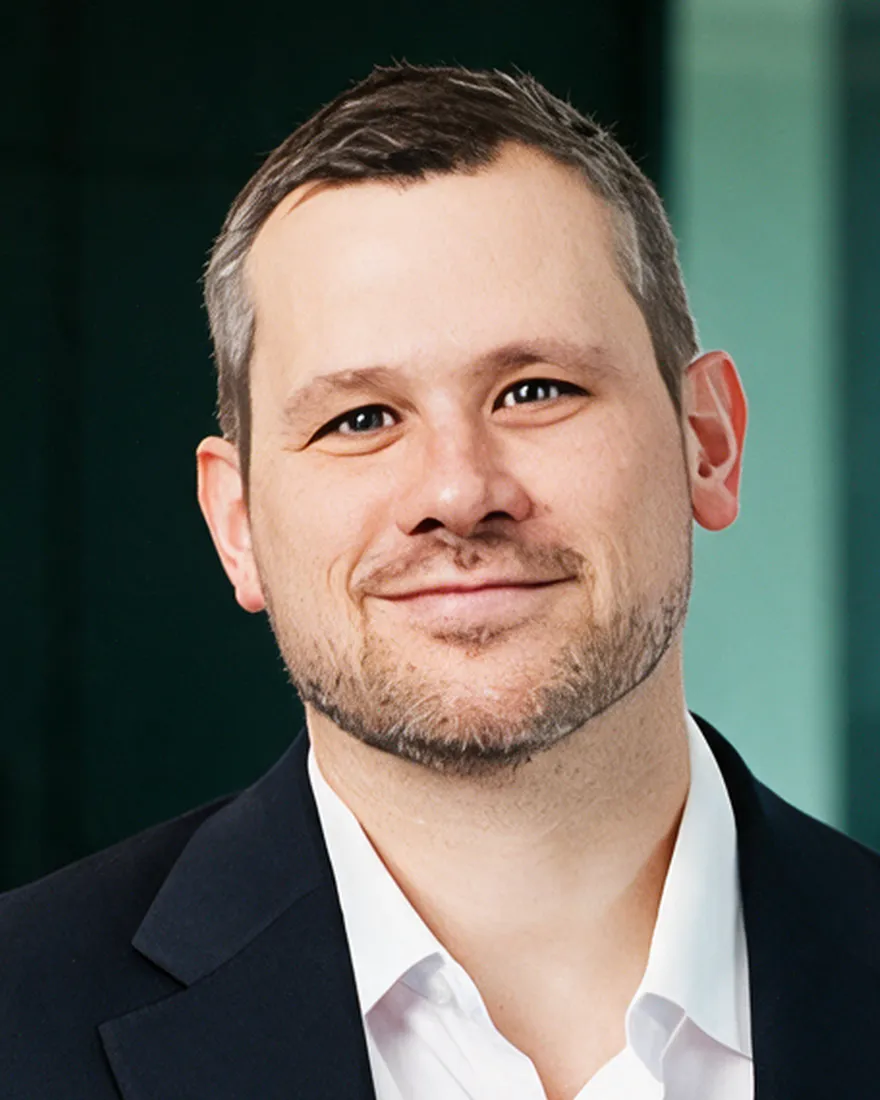
We are currently managing the majority of our client relationships daily through our app. It has been a game-changer, and I cannot say enough positive things about Fynancial and their entire team.

See your Platform Premium in 2 minutes
Model AUM → multiple uplift. Live. Under 2 min.
Enter AUM, headcount, and growth. The calculator maps how a branded client layer can move your valuation multiple, recalculating as you adjust inputs.